
Not everyone who drinks alcohol will experience panic attacks, as individual susceptibility plays a significant role. Pre-existing anxiety disorders, such as generalized anxiety disorder, social anxiety disorder, or panic disorder, increase an individual’s vulnerability to alcohol-induced panic attacks. Individuals who use alcohol as a coping mechanism for existing anxiety may inadvertently worsen their condition. This article is for educational purposes only and does not provide medical advice, diagnosis, or treatment. Nocturnal panic attacks can resemble symptoms of other health conditions, including sleep apnea, heart rhythm problems, asthma, reflux-related events, and seizure disorders. If your symptoms are new, severe, rapidly worsening, or include chest pain, fainting, significant breathing difficulty, one-sided weakness, or confusion, seek urgent medical care.
Alcohol and anxiety: Panic attacks after drinking
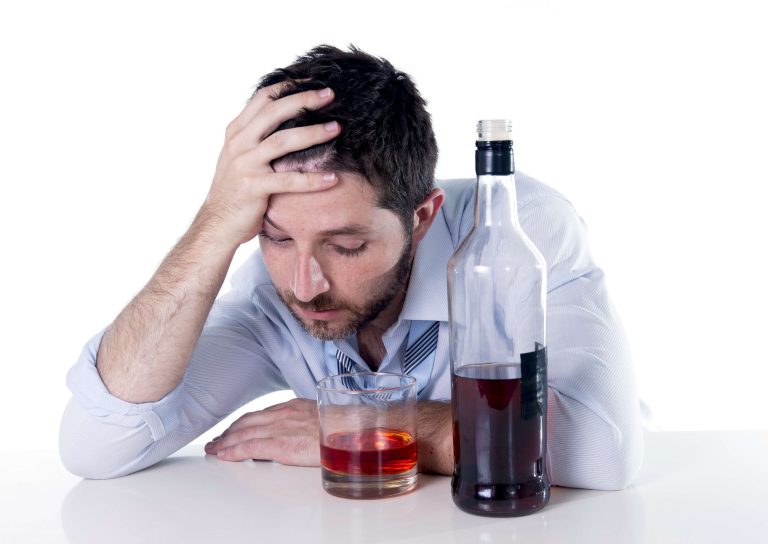
Alcohol-induced anxiety is the uncomfortable feeling that can happen after drinking heavy amounts of alcohol. For those who have an alcohol use disorder, it’s a symptom of alcohol withdrawal syndrome. People with anxiety disorders may what is alcoholism also have a substance use disorder. In fact, 50% of people receiving treatment for alcohol use disorder also live with an anxiety disorder.
- Find out how NIMH engages a range of stakeholder organizations as part of its efforts to ensure the greatest public health impact of the research we support.
- The good news is that people can learn how to effectively manage their anxiety and stop their panic attack with the proper education and therapy tools.
- It might help to speak to other people with the same condition, or to connect with a charity.
- Beta-blockers can help control some of the physical symptoms of panic disorder, such as rapid heart rate, sweating, and tremors.
- SSRI and SNRI antidepressants are commonly used to treat depression, but they also can help treat the symptoms of panic disorder.
- It is also important to check whether you feel able to take a break from alcohol and look out for the warning signs of a drinking problem.
Support Is Available whenever you’re ready!
- With the right treatment and support, people with panic disorder can manage their symptoms and improve their quality of life.
- It’s not uncommon or unexpected to feel regret when this happens—you may feel regretful about what you said or did to others, or nervous that they will judge you for your behavior.
- Fortunately, there are steps you can take to overcome and prevent this scenario.
Fortunately, you don’t have to let panic attacks interfere with your chances of enjoying a successful recovery. You can learn various techniques for managing your panic attacks along with other challenging withdrawal symptoms. Although it takes time, you can learn to live a sober lifestyle with fewer or more manageable panic attacks in the future. You may also need to be concerned about having a panic attack from quitting alcohol if you’ve experienced one in the past or have an anxiety disorder.
What can I expect if I have generalized anxiety disorder?
Cognitive behavioral therapy (CBT) is the most effective form of psychotherapy for anxiety disorders. Generally a short-term treatment, CBT focuses on teaching you specific skills to improve your symptoms and gradually return to the activities you’ve avoided because of anxiety. It is important to see a specialist when anxiety begins to interfere with relationships, work, or other aspects of life. It is also essential to seek help if negative emotions become difficult to manage. Depression, drug use, and alcohol consumption can worsen mental health, so timely assistance is crucial.

Conditions

Alcohol’s interaction with neurotransmitters is a complex dance that can significantly influence mental health, particularly in https://liyucosmetics.com.et/alcohol-and-skin-effects-symptoms-treatment-for-2/ the context of panic attacks. At the heart of this relationship lies gamma-aminobutyric acid (GABA), an inhibitory neurotransmitter that alcohol enhances. By increasing GABA activity, alcohol produces its sedative effects, calming the nervous system and reducing anxiety temporarily.
Panic Attack Treatment
For does alcohol cause anxiety ongoing symptoms, consider discussing evaluation and treatment options with a qualified healthcare professional or licensed mental health clinician. Consider the role of serotonin, another critical neurotransmitter involved in mood regulation. Chronic alcohol use depletes serotonin levels, contributing to heightened anxiety and emotional instability.